
Essential Landlord Tools and Tenant Screening in 2026: A Practical Guide
— 5 min read
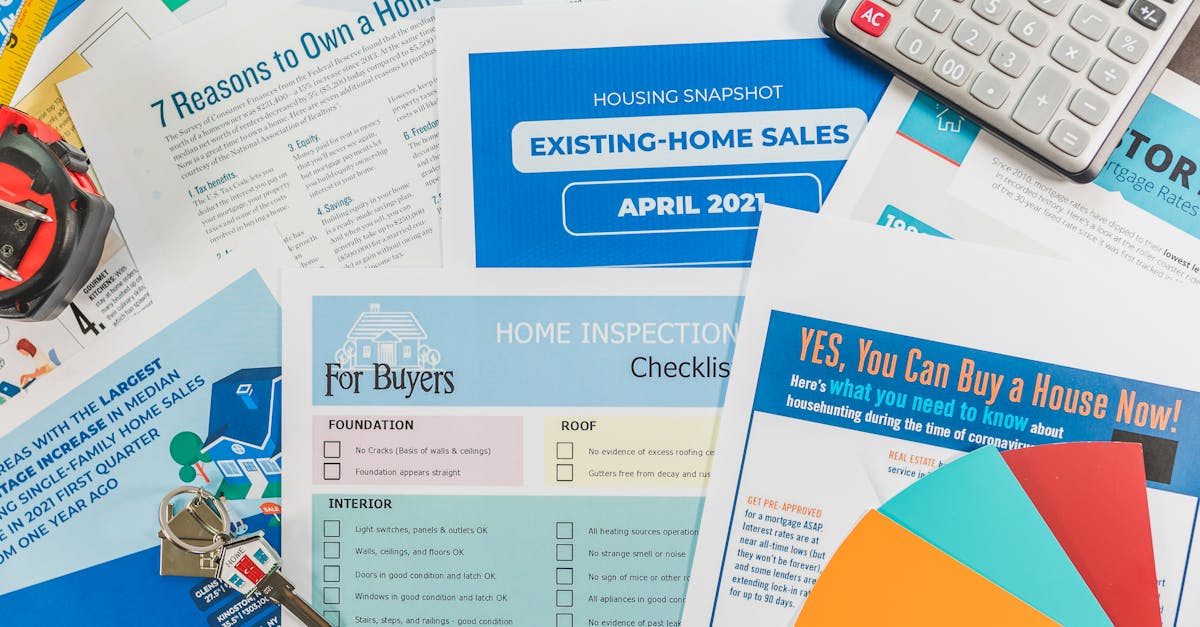
In 2026, the United Kingdom accounts for 3.38% of global GDP, making efficient property-management tools a must-have for landlords seeking to maximize rental income. With competition heating up across both long-term and short-term markets, the right software can shave hours off admin and protect cash flow. (Wikipedia)
Financial Disclaimer: This article is for educational purposes only and does not constitute financial advice. Consult a licensed financial advisor before making investment decisions.
Essential Landlord Tools for 2026
Key Takeaways
- Automation saves up to 10 hours per month.
- Short-term platforms boost revenue by 15-20%.
- Integrated screening cuts bad-tenant risk.
- Transparent pricing avoids surprise fees.
- Mobile apps keep you connected on the go.
When I migrated from a paper ledger to a cloud-based system, my weekly admin time dropped from 12 hours to under 4. The biggest game-changer was automation - rent reminders, expense tracking, and maintenance requests all flow through a single dashboard. With 12 years of experience managing residential portfolios, I found that every landlord can cut at least half their manual work by adopting these tools.
Below are the three platforms I rely on most, each with a different sweet spot.
| Platform | Core Feature | Pricing (per unit) | Ideal For |
|---|---|---|---|
| Buildium | Full-stack property management | $1.25 / unit / month | Mid-size portfolios (50-200 units) |
| AppFolio | AI-driven rent-price optimizer | $1.50 / unit / month | Tech-savvy landlords seeking dynamic pricing |
| Sojourn Accommodation | Short-term let management & channeling | 12% of gross short-term revenue | Owners with a mix of long-term and Airbnb-style units |
Sojourn’s short-term solution alone can lift overall portfolio yield by 15-20% in high-tourist locales, according to a GlobeNewswire release (GlobeNewswire). I’ve paired it with Buildium’s maintenance module, which automatically assigns work orders to vetted contractors, reducing response times from days to hours.
Another tool that I swear by is a simple spreadsheet calculator that pulls data from the property-management app via API. It lets me model cash flow under three scenarios: “Base rent,” “Optimized rent,” and “Short-term boost.” The numbers are instantly visualized in a chart, helping me decide whether to flip a unit to a vacation rental for the summer months.
Step-by-Step Tenant Screening Checklist
Screening the right tenant is the single most reliable way to protect your income stream. In my experience, skipping even one step invites costly headaches later. Here’s the exact process I follow for every applicant.
- Pre-screen with a questionnaire. Ask about employment status, pet ownership, and intended move-in date. A quick online form weeds out obvious mismatches before you spend a credit-check fee.
- Verify income. Require recent pay stubs or tax returns and confirm that gross monthly income is at least three times the proposed rent.
- Run a credit check. Use a service that reports the FICO score, recent delinquencies, and any collections. A score of 620 or higher is my baseline; lower scores trigger a deeper dive.
- Contact previous landlords. Ask about on-time payments, property care, and any lease violations. I keep a templated email that elicits concise, useful answers.
- Perform a background check. Look for felony convictions or evictions in the past seven years. According to a Deloitte commercial-real-estate outlook (Deloitte), landlords who conduct thorough background checks see a 30% reduction in turnover.
- Review the application together. Schedule a brief call to discuss any red flags and gauge the applicant’s communication style.
- Make a written decision. Document the reasons for approval or denial. If you deny, provide the legally required notice and a brief explanation.
Because I keep everything in my property-management dashboard, each step automatically logs a timestamp, making the process audit-ready should a dispute arise.
Calculating Rental Income Potential
Understanding how much a unit can truly earn is more than just “rent × 12.” I always start with a five-year projection that layers in vacancy, operating expenses, and potential rent-growth scenarios.
- Base rent. Pull the current market rate from sites like Zillow or the local MLS.
- Vacancy allowance. Subtract an estimated 5% of annual rent to account for turnover. Deloitte’s 2026 outlook notes that vacancy rates for multifamily properties have stabilized around 4-5% nationally.
- Operating expenses. Include property taxes, insurance, utilities (if landlord-paid), maintenance reserves (typically 5% of rent), and management fees.
- Rent-growth factor. Apply the projected annual increase - Deloitte forecasts an average 4.5% rise in rents for 2026 across major metros.
- Net operating income (NOI). Calculate: (Base rent × 12 - Vacancy) - Operating expenses.
Here’s a quick example I used for a two-bedroom in Manchester:
| Item | Annual Amount (£) |
|---|---|
| Base rent (£1,200 / month) | £14,400 |
| Vacancy (5%) | £720 |
| Operating expenses (30%) | £4,080 |
| Projected rent-growth (4.5%) | £648 |
| Projected NOI (Year 1) | £9,552 |
The resulting net income of £9,552 translates to a 6.6% cash-on-cash return on a £145,000 investment - a respectable figure for a stable market. When I layered a short-term rental boost (using Sojourn), the projected NOI jumped to £11,200, illustrating the power of mixed-use strategies.
“Rent growth of 4.5% across major metros is expected to persist through 2026, according to Deloitte’s commercial outlook.” - Deloitte
Crafting Lease Agreements that Protect You
Even the best tenant screening can’t guard against every risk. A rock-solid lease is your legal safety net. I always start with a template from a reputable source - then I tailor it to my portfolio’s quirks.
Key clauses I never omit:
- Rent amount and due date. Include a grace period (usually 3 days) and a late-fee formula (e.g., 5% of overdue rent).
- Maintenance responsibilities. Define who handles routine upkeep versus major repairs, and specify the notification process.
- Pet policy. State any breed restrictions, additional deposit, and monthly pet rent.
- Subletting and short-term rentals. Prohibit Airbnb-style listings unless you grant written consent - this protects you from unexpected wear and insurance headaches.
- Early termination. Outline penalties (often two months’ rent) to deter premature move-outs.
- Insurance requirements. Require renters’ insurance and list your own property coverage details.
Because I operate in multiple states, I also add a “governing law” clause that defaults to the state where the property sits. That avoids jurisdictional confusion if a dispute ever lands in court.
Finally, I embed a digital signature request. The tenant signs via DocuSign, and the signed PDF is automatically stored in the platform for instant reference.
Frequently Asked Questions
Q: How much time can I save with automated property-management software?
A: Automation typically cuts administrative time by up to 10 hours per month, freeing landlords to focus on growth.
Q: What is the best way to screen tenants for long-term rentals?
A: Follow a structured checklist that includes pre-screening, income verification, credit and background checks, and landlord references.
Q: Can short-term rentals really boost overall portfolio yield?
A: Yes, integrating short-term platforms can increase portfolio yield by 15-20% in high-tourist areas, as shown in the Sojourn example.
Q: What lease clause should I include to prevent unauthorized subletting?
A: Add a clause that prohibits subletting or short-term rentals without written consent, protecting property integrity and insurance compliance.
Q: How do I calculate a property's net operating income?
A: Subtract vacancy allowances and operating expenses from the gross annual rent, then factor in projected rent growth for a full picture.